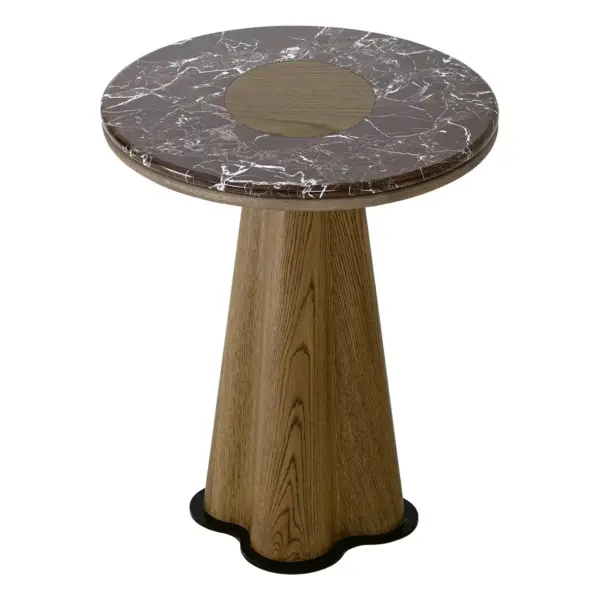
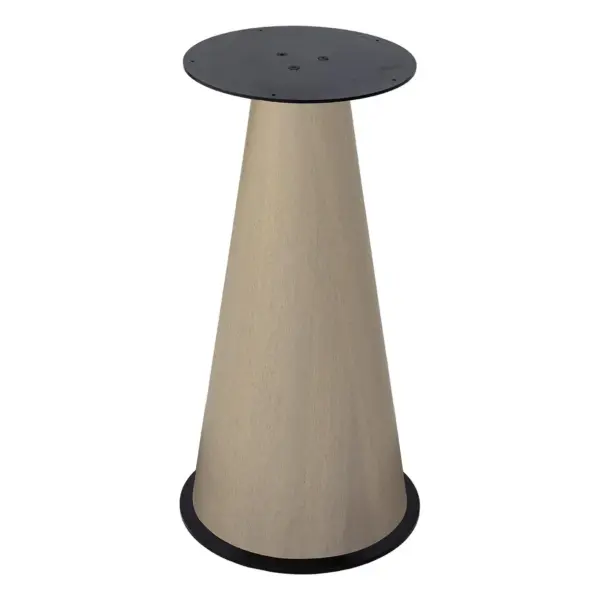
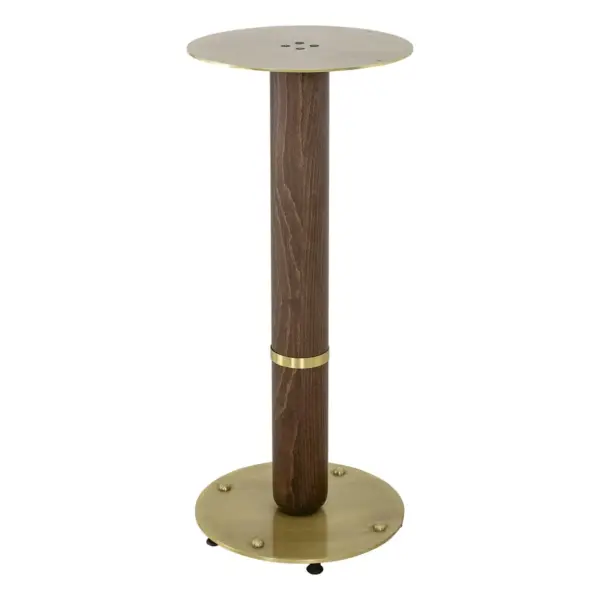
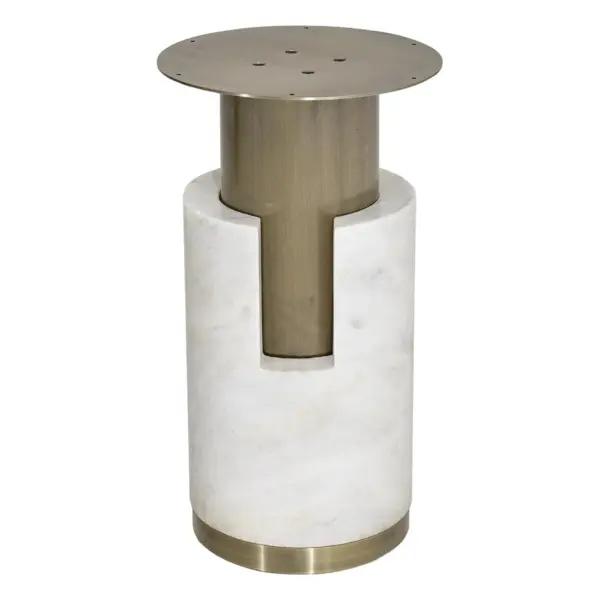
Which table base suits your table top?
The right table base depends on three things: the shape of the top, its size and the legroom guests need. A round top calls for a different base than a long rectangular table for a group. So start with the top and the layout, and choose the base after that.
A base is more than a technical component. It determines whether a table stays steady, how many chairs fit comfortably around it and how the table looks from the entrance. Within our hospitality tables, the base is therefore a design choice in its own right.
Pedestal base, cross base, separate legs or double base
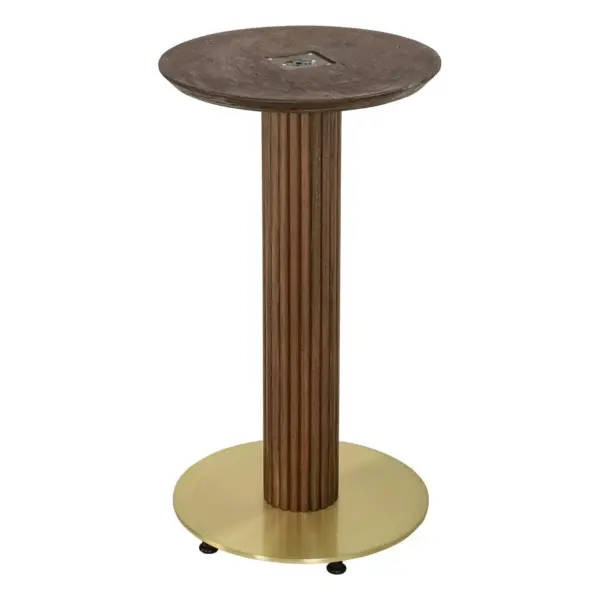
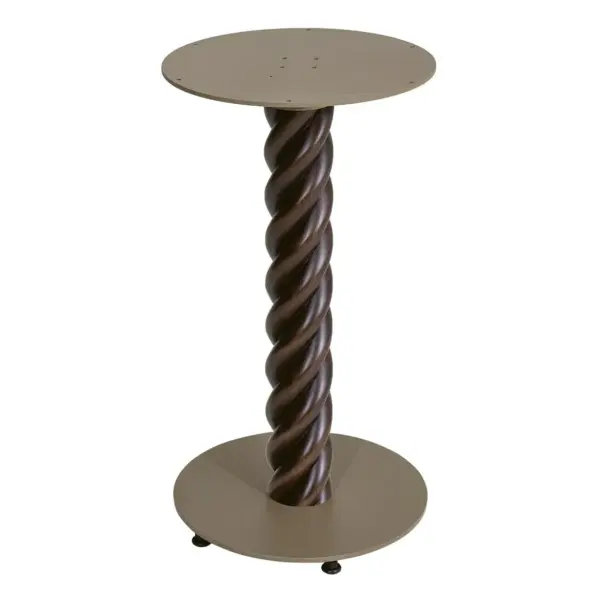
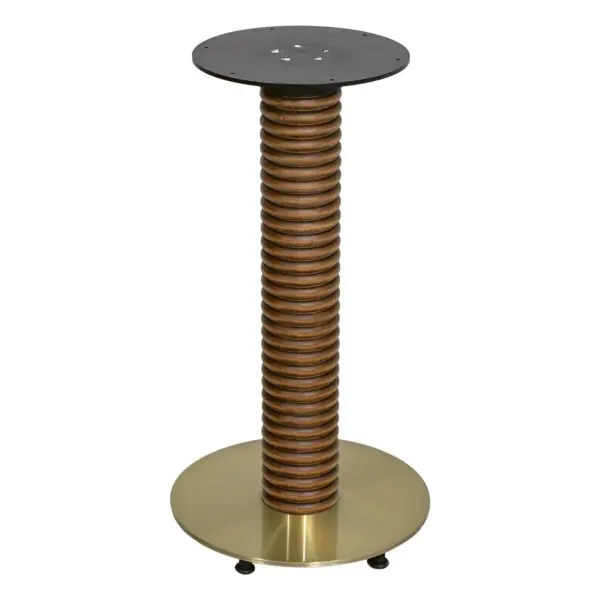
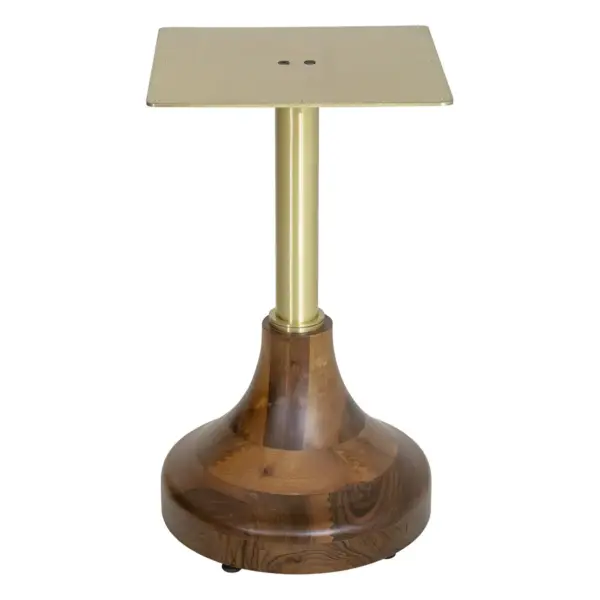
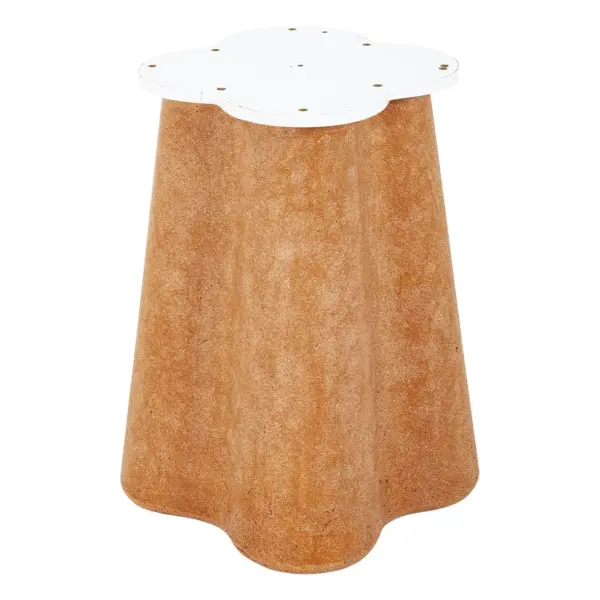
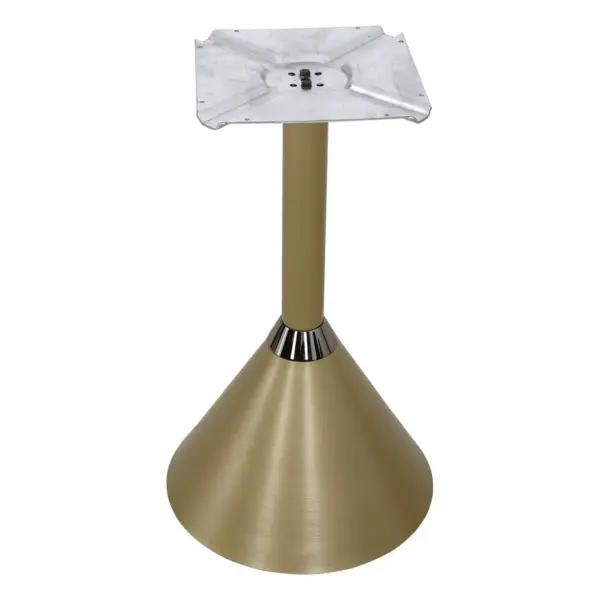
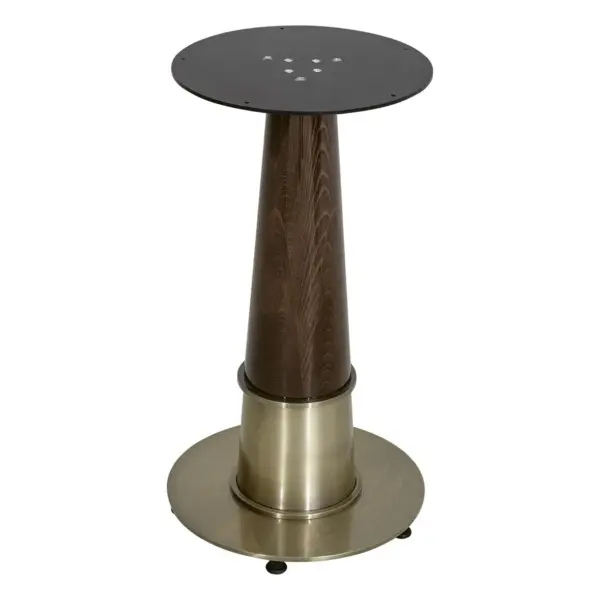
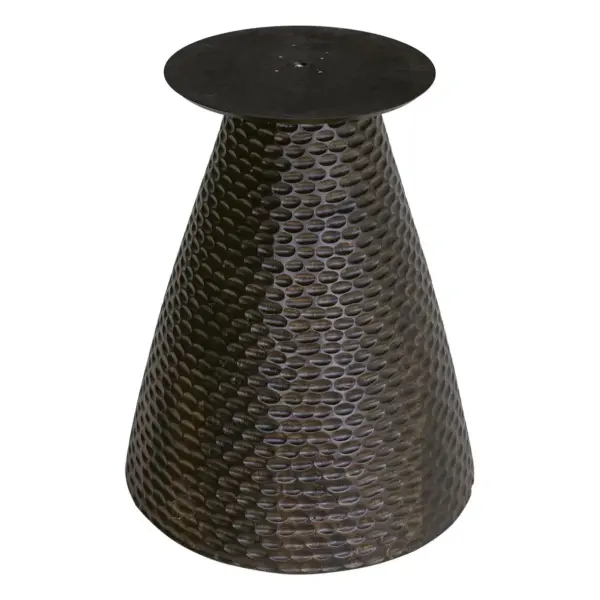
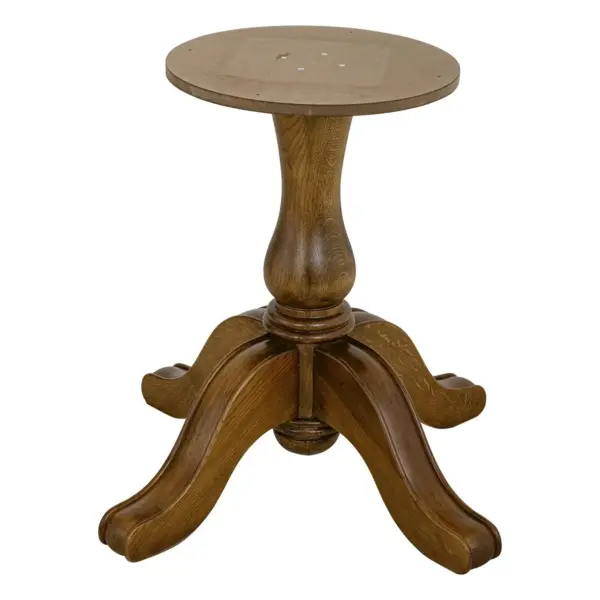
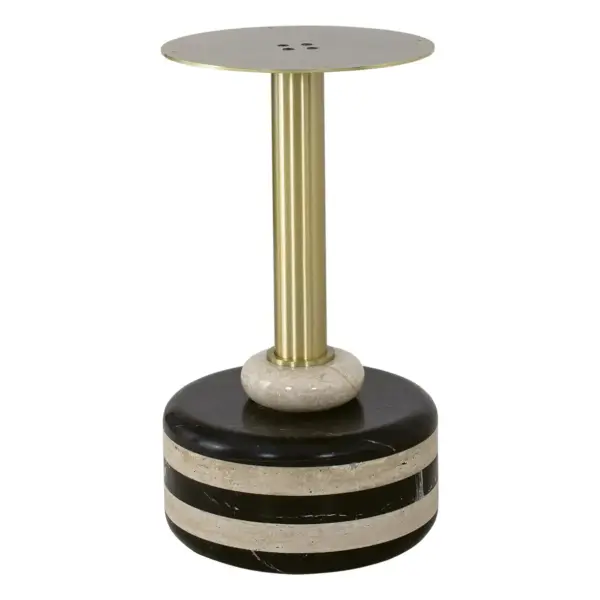
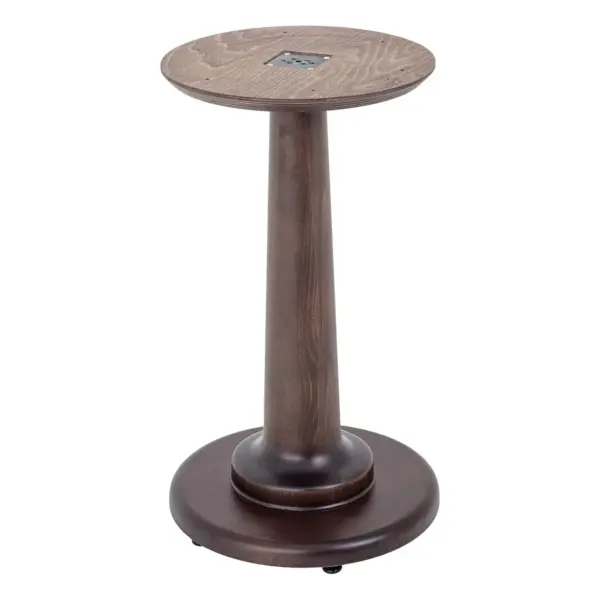
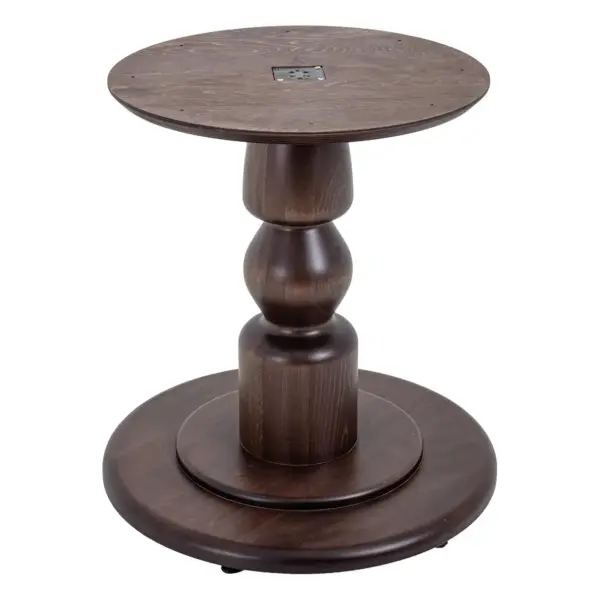
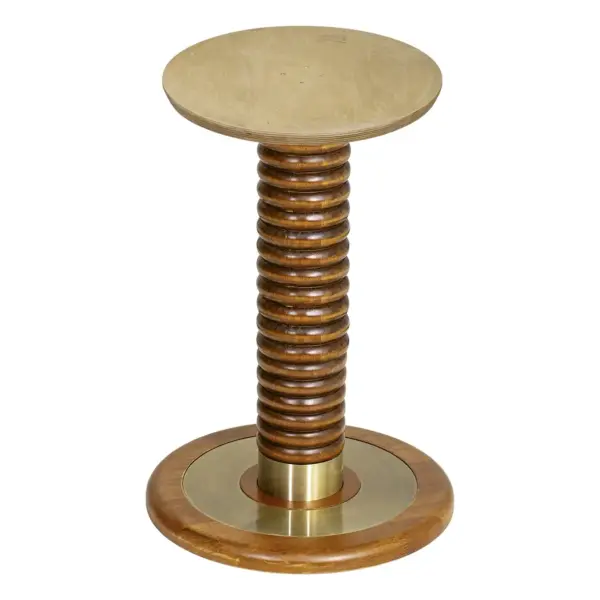
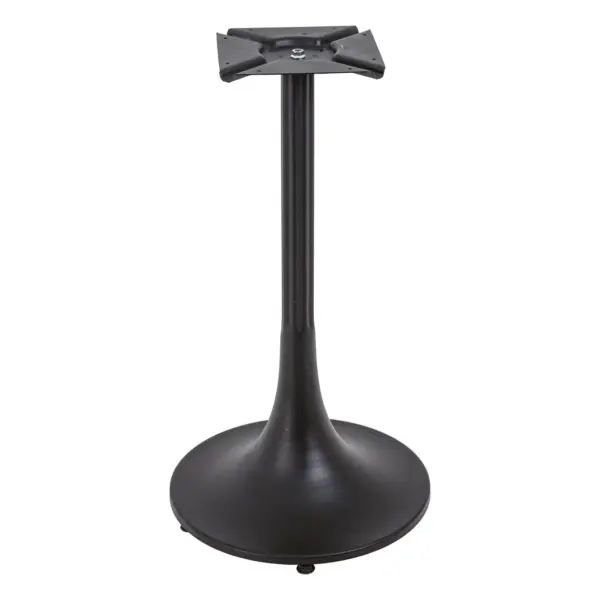
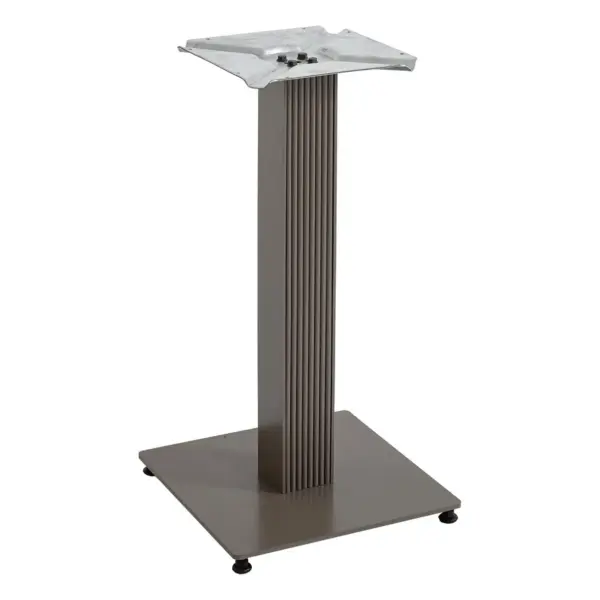
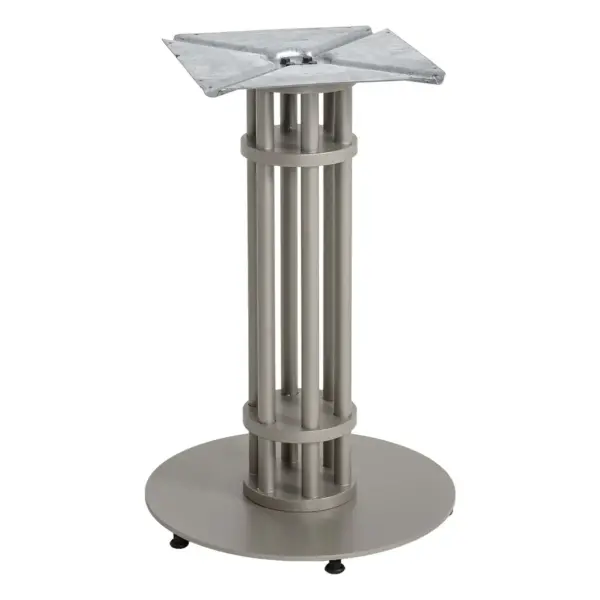
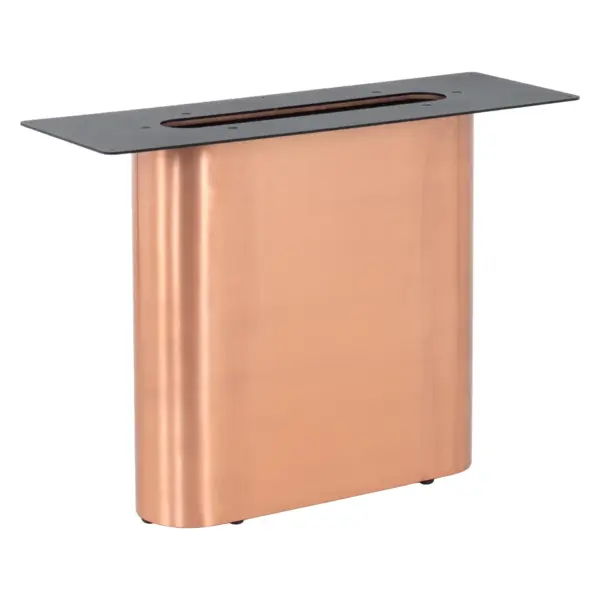
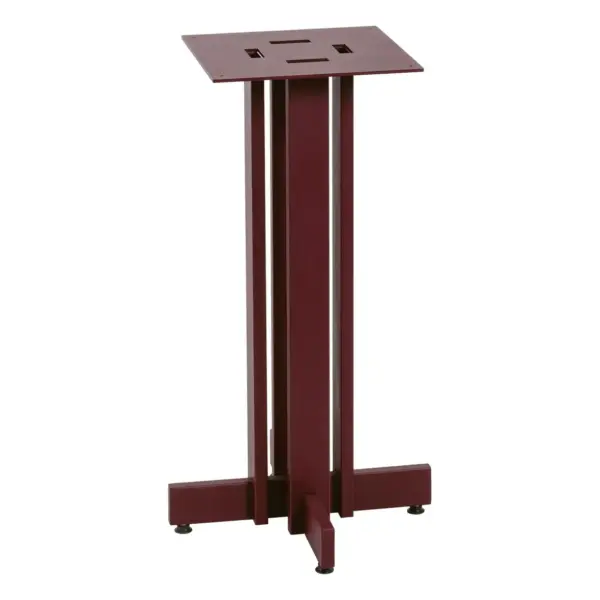
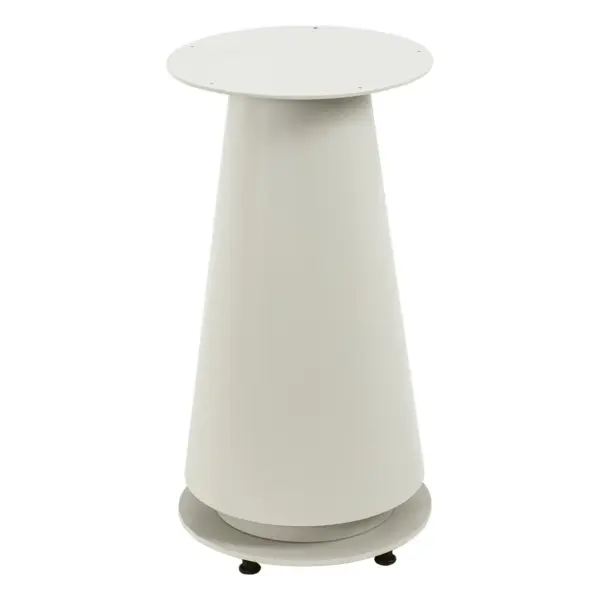
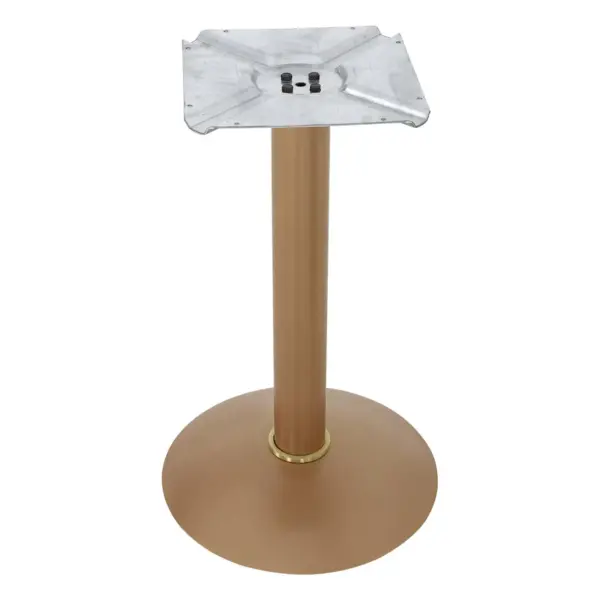
Four types are most commonly used in hospitality. A pedestal base has a single central column on a base plate and leaves plenty of space all around for chairs. A cross base works on the same principle, but stands on four outstretched arms in the shape of a cross.
Four separate table legs give a familiar look and suit rectangular tops well. A double base, with two feet under one top, is intended for longer tables. You can see this distinction in models such as L TWIT SINGLE and L TWIT DOUBLE.
A hospitality table base must above all be stable
Stability is the most important criterion. Guests lean on the top and rest their elbows on it, and in a busy café a table is moved dozens of times a day. The ratio between the size of the base and the size of the top determines whether the table stays steady.
Also consider the weight of the top. Natural stone, terrazzo and ceramic are heavier than wood or compact laminate and require a base designed accordingly. If the table stands on an old wooden floor or a sloping terrace, discuss in advance how the base will compensate for unevenness.
Legroom and the position of the chairs
A good base does not get in guests’ way. With a central base, chairs stand freely around the table and guests can easily pull up, which is handy for round and square tables in cafés and lunchrooms.
With a leg at each corner, legroom is predictable, but it is harder to add an extra chair. If you combine tables with a wall bench, check that the base does not clash with the feet of guests on the bench. A narrow base or a column set slightly off centre can then offer a solution.
Materials and finishes: metal or wood
Most hospitality table bases are made of metal or wood. Metal looks sleek and industrial and can be finished in a colour of your choice. Wooden versions, such as L 159 WOOD, create a warmer look and pair beautifully with wooden tables.
Choose a finish that suits the rest of the interior. A black base under marble tables creates contrast, whereas a base in the same shade as the chair legs creates a sense of calm. Because the bases are visible everywhere when you have many tables, a consistent choice pays off.
Bases for high tables and bar tables
The same rules apply to high tables, only more strictly. A longer column or longer legs act as a lever, so a wide base or a heavy base plate is especially important here. For high seating, also take a look at our bar tables.
With high tables, also think about a footrest, on the bar stool or on the base itself, and enough space to get on and off. That way a raised seat stays comfortable, even over a longer evening.
Made-to-measure table bases from Leta Meubelen
Leta Meubelen makes bases and table tops in its own 60,000 m² production facility and tailors the combination to your design: height, size, colour and finish. Every table base is inspected before it leaves the factory, and the lead time is 10–12 weeks once the design has been finalised.
Would you like to see different bases side by side and feel how stable they are? Make an appointment at the showroom in Eindhoven. Also see how we have used tables in our hospitality projects, or get in touch with your dedicated contact person for advice.